
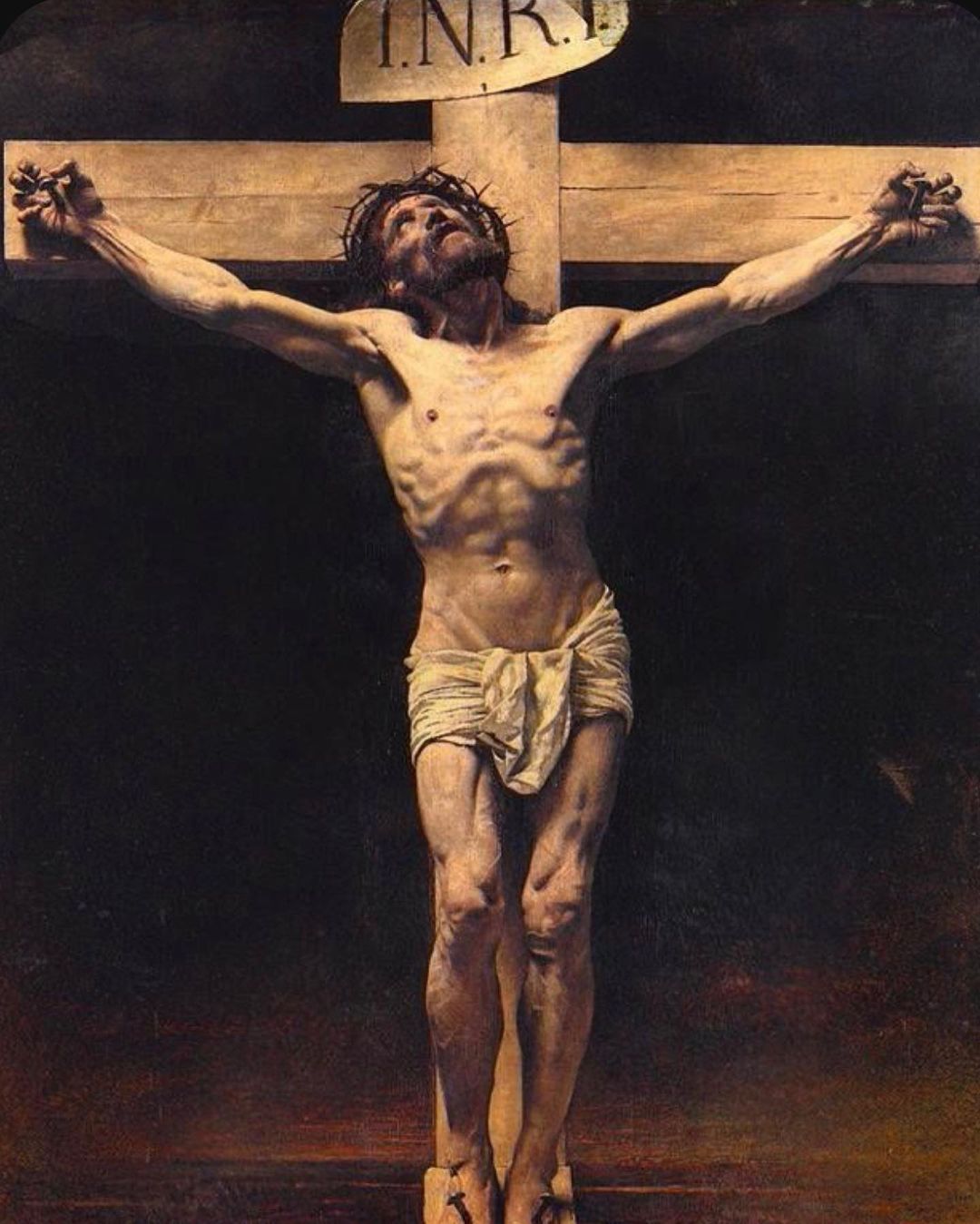
The simplest definition of the Bible is that it is a book about the Tree of Life. This Tree of Life was very much there in the midst of the garden at the time of prohibiting Adam and Eve from eating of the fruit of another tree, the tree of the knowledge of good and evil. It follows that they were permitted to eat of the fruit of the tree of life in the absence of an express prohibition from God. But they forfeited their right by their disobedience. They were banished from the Garden to protect them from the horrific consequences had they eaten from the Tree of life.
This forfeited right was restored to man as a privilege by the eternal sacrifice of Jesus Christ who was the true Tree of Life. In the gospel of John, chapter 6, we see Jesus teaching about the essentiality of man eating his flesh and drinking his blood to have eternal life. Today we get this bread of life in the form of Holy Eucharist. But receiving it needs certain pre- qualifications, the first being a firm faith in Jesus, his passion, crucifixion, death, and resurrection. For, in every Holy Mass that we celebrate, we proclaim the Lord’s death until he comes’ (1 Cor 11:26) with the following words. ‘We proclaim your Death, O Lord, and profess your Resurrection until you come again.’
So it is unthinkable for a person who does not believe in our Lord’s death, resurrection and second coming to receive the Holy Communion. The sacrament of Eucharist benefits only those persons who died with Jesus, buried with Jesus and lives in the hope of partaking in his resurrection. Baptism is the most visible sign of this faith and for this reason, only baptized Christians are permitted to receive Holy Communion.
It was a well established practice in the Church to send out non-Christians – even catechumens- before the commencement of the Eucharistic liturgy in Holy Mass. Ideally they were sent out after the homily. Though the catechumens were allowed to participate in the Holy Mass and receive the blessing of the priest, they were not permitted to receive the Communion for they were not considered full members of the mystical body of Christ till they received their baptism. ‘Let all catechumens depart’, or its variants were used across Catholic and Orthodox Churches to warn the people that, after the Liturgy of the Word, they were set to enter the Liturgy of the Eucharist that is reserved for baptized members of the Church only.
But baptism is just the first step. A person desirous of receiving the Lord in Holy Eucharist must be in a state of grace. As we know, receiving Jesus in an unworthy manner (i.e. in a state of sin) is a grave offence against the body and blood of the Lord. ‘Whoever, therefore, eats the bread or drinks the cup of the Lord in an unworthy manner will be answerable for the body and blood of the Lord. Examine yourselves, and only then eat of the bread and drink of the cup. For all who eat and drink without discerning the body eat and drink judgment against themselves’ (1 Cor 11:27-29).
Holy week is a special time to commemorate the passion, death, and resurrection of our Lord in a very special way. So the Church insists that all her members must receive Holy Communion at least once a year, specifically during Easter season. And a good confession being the pre-condition to receive Holy Communion, the Church mandates confession at least once a year. Thus it becomes for some, a time of annual confession. The Church teaches that irrespective of whether it is an annual confession or a routine confession, no sins confessed in that process are forgiven unless the confession is a good confession. And if the confession is not a good one, again we forfeit our right to receive Holy communion.
This Easter season, let us examine our conscience thoroughly to see whether we receive Holy Communion in a worthy manner. We know everything, that Jesus Christ is the Tree of Life, that the Holy Eucharist is his body and blood, that it must be received in a state of grace, that it is essential for us to enter eternal life and that its unworthy reception will, like Judas Iscariot, bring us judgment instead of salvation. The priest proclaims this two way effect of Holy Communion when he says, ‘May the receiving of your Body and Blood, Lord Jesus Christ, not bring me to judgement and condemnation, but through your loving mercy be for me protection in mind and body and a healing remedy.’
In the letter to the Hebrews we read; ‘How much worse punishment do you think will be deserved by those who have spurned the Son of God, profaned the blood of the covenant by which they were sanctified, and outrages the Spirit of grace?’ (Heb; 10:29). Indeed the punishment will be harsher than we think.
So let us be vigilant. May the fruit of the Tree of Life, designed to be the elixir of eternal life, not turn into a cause of judgment for us. Let us go to the confessional with a contrite heart and receive Holy Communion in a worthy manner, and joyfully proclaim the death and resurrection of our Lord Jesus Christ.
(www.v-catholic.com)