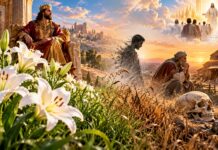
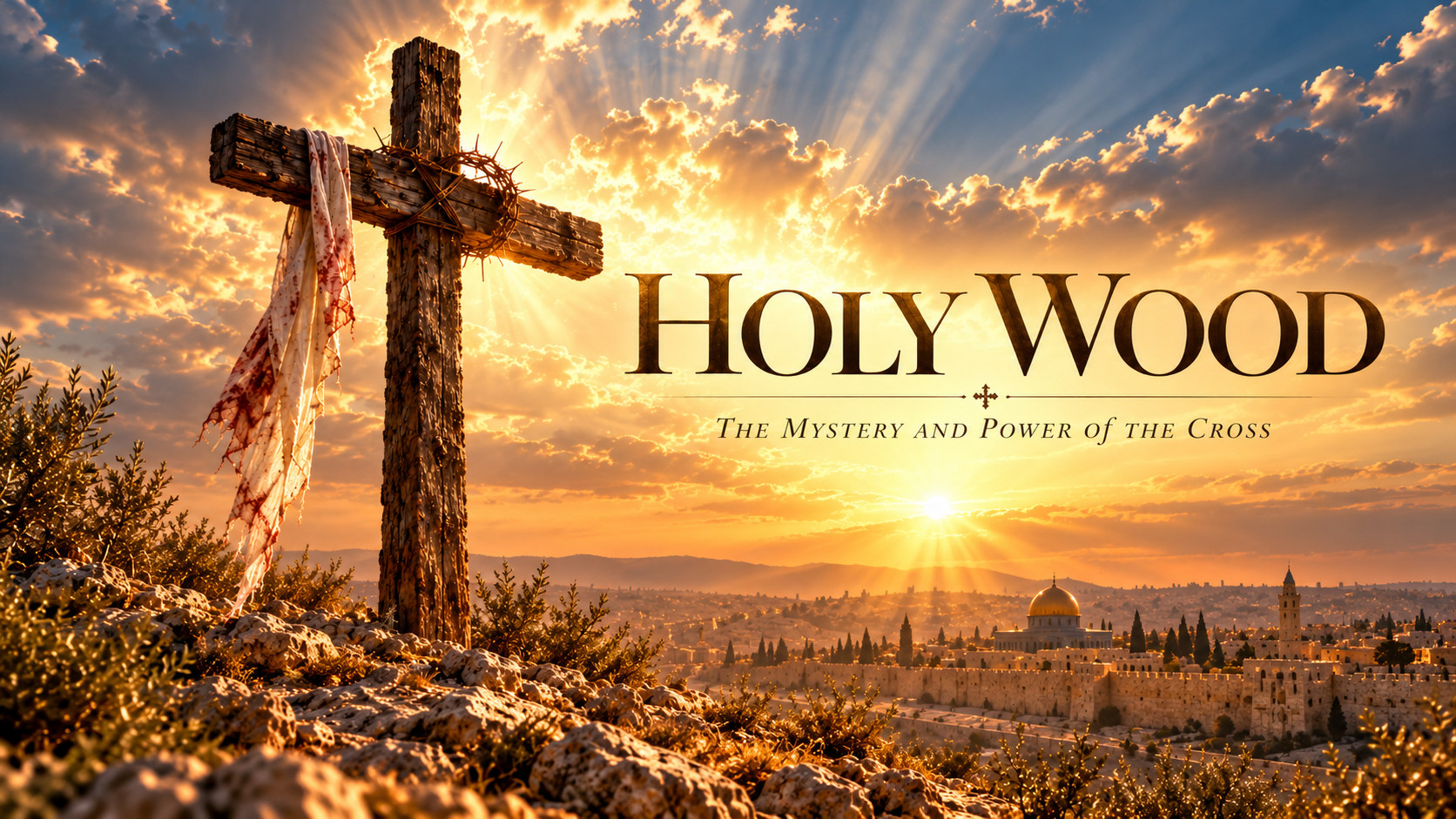
The holiest wood known to mankind is fondly called Cross. There are many legends and historical accounts that narrate how the cross was made, which kind of tree was used for it, how it was discovered in the early 4th century, and how the veneration of our Lord’s Cross spread across Christendom. Cross was the redemptive platform erected on Calvary. It is believed that its exact position is on top of the tomb of Adam, pointing to a perfect logical sequence of history where man is given the gift of redemption at the very same spot where Adam, who caused their fall, found his final resting place. Abraham brought Issac to the same place (or a place close to it) for sacrifice. In the liturgy of Eastern Orthodox Churches, a hymn describes Calvary and Mount Moria as the same place and goes on to say that the binding of Issac was released at the place where Jesus was nailed to the cross.
Issac’s release alive from the altar foreshadows Jesus’ resurrection. Issac travelled three days with his father to reach the appointed place for the burnt offering. Jesus spent three years in his preparation for the ultimate sacrifice on the cross. Another three days, and he rose from the dead. We never come across any reference suggesting that Issac resisted Abraham when he was bound to the altar. It is interesting, because by that time Abraham was well over 100 years and Issac was at the prime of his youth. He could have resisted the unjust attempt on his life. But he remained silent just the same way Jesus kept silent before those who vowed to crucify him.
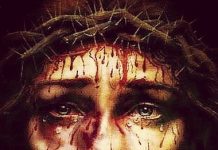
Cross, the Holy Wood of Calvary, is the epitome of everything we could desire, because there is nothing beyond salvation that our soul could desire. Everyday we remember how Jesus performed the one and only sacrifice on behalf of all humanity starting from Adam to the last man on earth. During every Eucharistic celebration, we remember in a very special way the Holy Cross of our Lord Jesus Christ who made it his death bed, thereby promising us a safe passage to eternity at the time of our death.
St Paul realized the depths of crucifixion, the sublime nature of Christ’s sacrifice, the salvific value of the cross, and the devotion that one must have towards the cross. So he wrote; ‘May I never boast of anything except the cross of our Lord Jesus Christ, by which the world has been crucified to me, and I to the world’ (Gal 6:14). Here cross transcends time and space and comes alive in our own lives. God offers a cross to each one of us everyday so that we may be crucified to the world. Often we think of Jesus crucified, but forget that the other side of the cross is still vacant. It is for us to be crucified to the world. Our daily crosses are means to partake in the passion of our Lord Jesus Christ. Blessed are those who accept every opportunity to carry their crosses without grumbling.
Cross is a mystery to the world because ‘the word of the cross is foolishness to those perishing’ (1 Cor. 1:18) and because many in the world have opted to perish. But the mystery of the cross is revealed to those who are marked for eternal life, for they know how powerful it is. ‘To those being saved, it is God’s power’ (1 Cor. 1:18). Remember that the cross is our ultimate weapon at the time of our death. It is not without reason the Church has granted plenary indulgence to those who use the CROSS OF HAPPY DEATH (a crucifix with the St Benedict’s medal in the centre on the back) at the time of their death. A dying person should kiss or touch the crucifix, ask for forgiveness for their sins, and call upon the holy name of Jesus.
May the crucified Lord help us in staying close to his cross throughout our life, and bless us with the grace to pass to eternity holding his crucifix in our hands, trusting in the merits of what our Lord accomplished for us on the cross.